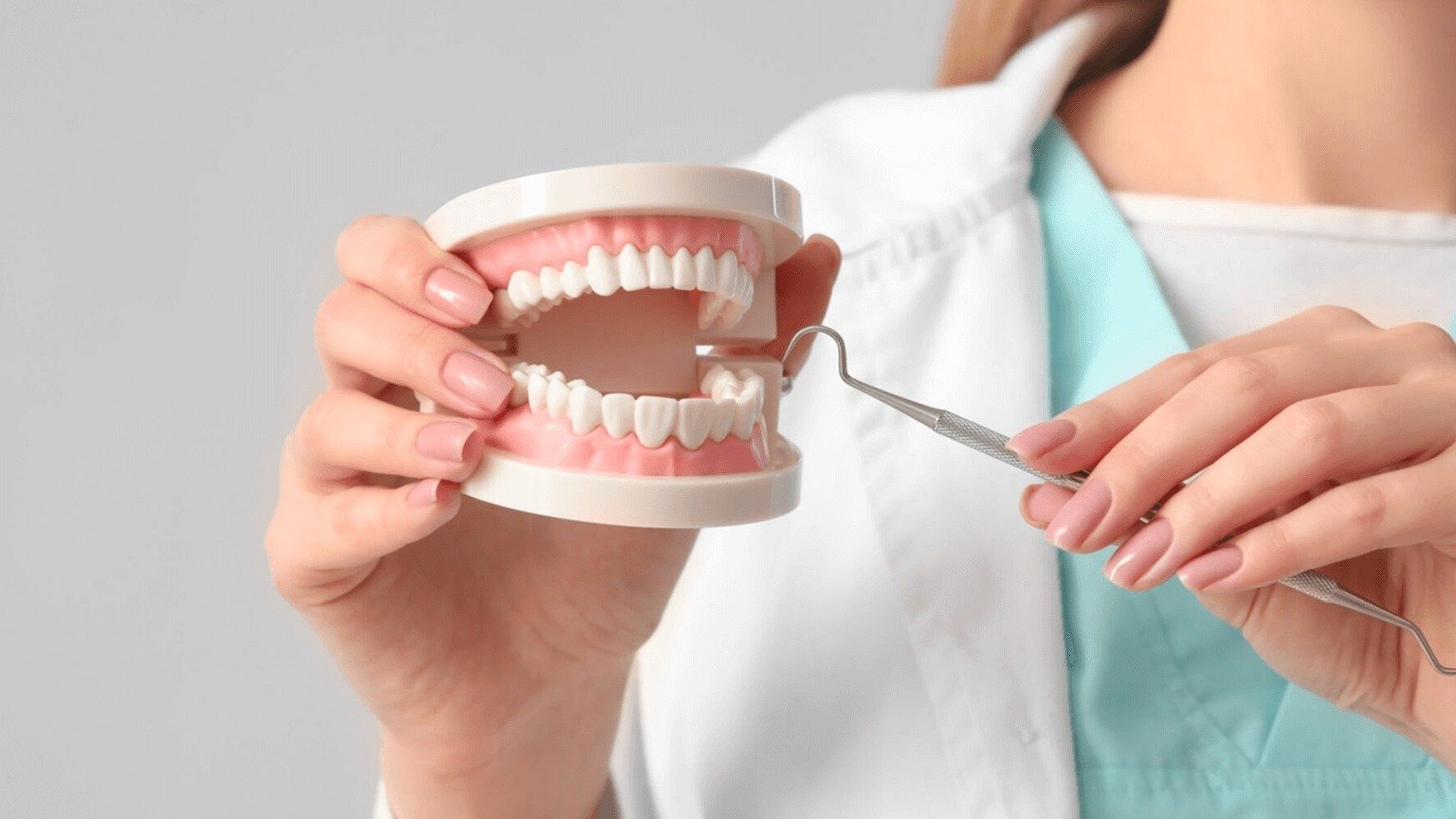
The Role Of Preventive Dentistry In Supporting Family Wellness
Family wellness begins with strong teeth and healthy gums. You want your children to eat, speak, and sleep without pain. You also want to avoid emergencies that cause fear and high bills. Preventive dentistry gives you that control. Regular checkups, cleanings, and simple home habits protect your family from tooth decay, infection, and tooth loss. They also lower the risk of serious health problems that start in the mouth. Every visit becomes a chance to catch small issues early, before they grow into severe problems. A cosmetic dentist in Metairie can support this by watching for early damage, guiding your family’s daily care, and restoring worn teeth before they fail. This steady support offers comfort, safety, and strength for every age. You build trust for your children. You also protect yourself. Preventive dentistry turns routine care into a shield for your whole family.
Why your family’s mouth health affects the whole body
Your mouth is a gateway for infection and swelling. When teeth or gums stay unhealthy, bacteria spread. That bacteria enter the blood. It can strain the heart, lungs, and immune system. It can also raise the risk of diabetes problems. The Centers for Disease Control and Prevention explains that cavities are one of the most common long-term diseases in children. They also state that untreated cavities cause pain and trouble eating and learning. You protect your family when you keep your teeth and gums clean. You also support sleep, focus, and mood. A healthy mouth keeps small daily tasks simple. Children feel calmer at school. Adults feel steadier at work.
Core parts of preventive dentistry for families
Preventive care rests on a simple rule. You remove plaque and watch for early change before it hurts. You can do that with three steps.
- Home care every day
- Routine dental visits
- Early action on small problems
Home care every day
You set the tone at home. Children copy what you do. When they see you brush and clean between teeth, they learn that care is normal.
- Brush two times a day with fluoride toothpaste
- Clean between teeth once a day with floss or a small brush
- Use tap water with fluoride when it is safe to drink
- Limit sweet drinks and sticky snacks between meals
The National Institute of Dental and Craniofacial Research explains that fluoride helps harden tooth enamel and prevent decay.
Routine dental visits
Regular visits find problems early. They also keep teeth clean in ways a brush cannot match. A calm visit every six months can prevent a crisis visit at night.
During these visits, the dental team will usually:
- Check each tooth for soft spots or cracks
- Check gums for swelling or bleeding
- Clean away hardened plaque and stains
- Review brushing and diet habits with you and your child
For some people, the dentist may also use sealants or fluoride treatments. Sealants cover the grooves of back teeth. They block food and germs from hiding there. Fluoride treatments strengthen enamel.
Early action on small problems
Small problems grow fast when you ignore them. A tiny cavity can reach the nerve. A little gum bleeding can turn into bone loss. You protect your family when you treat small issues at once.
Early care often means:
- Small fillings instead of root canals
- Simple cleanings instead of deep cleanings
- Short visits instead of long, stressful ones
How preventive care supports every age group
Each age in your family needs a different focus. You can think in three stages.
Young children
Baby teeth guide the growth of the jaw and the spacing of adult teeth. When baby teeth get damaged or lost too soon, adult teeth can come in crooked. You can help by:
- Wiping gums before teeth show
- Starting brushing as soon as the first tooth appears
- Avoiding putting a baby to bed with a bottle of milk or juice
- Scheduling the first dental visit by age one or within six months of the first tooth
School age children and teens
School-age children face sugar at parties, sports events, and vending machines. Sports injuries also become more common. You can help by:
- Packing water instead of soda or sports drinks
- Using mouthguards for contact sports
- Asking about sealants for molars
- Talking often about honest fears of the dentist and answering questions
Adults and older adults
Adults carry stress, medication use, and chronic illness. These raise the risk of gum disease and dry mouth. You can help by:
- Keeping regular visits even when you feel busy
- Sharing your full medicine list with the dentist
- Watching for signs like loose teeth, bad breath, or bleeding gums
- Checking that dentures or partials fit well and do not rub
Preventive care vs emergency care
You may wonder if regular visits are worth the time and money. A simple comparison can help you see the tradeoffs.
| Type of care | Typical timing | Common examples | Likely impact on your family |
|---|---|---|---|
| Preventive care | Planned visits every 6 to 12 months | Checkups, cleanings, sealants, fluoride, x rays, home care coaching | Lower pain, fewer missed school and work days, lower total cost, calmer children |
| Emergency care | Unplanned visits during pain or injury | Extractions, root canals, sudden abscess treatment, trauma repair | High stress, more missed days, higher bills, fear of future visits |
You cannot avoid every emergency. Yet you can reduce how often they strike. You can also reduce how severe they feel when they do happen.
Working with your dental team as a partner
Strong preventive care grows from trust. You and your dental team share the same goal. They want your family to stay out of pain. You can help them by being open and direct.
During each visit, you can:
- Share any pain, worry, or change you notice at home
- Ask for plain language about what they see and why it matters
- Request tips that fit your schedule and budget
- Involve your child by letting them ask their own questions
Some families feel shame about past neglect. That feeling can block care. You do not need to explain past choices. You only need to choose the next step. Every cleaning and every brushing session is a new start.
Putting preventive dentistry into daily life
You can turn these ideas into simple habits.
- Mark dental visits on a family calendar and treat them like school or work
- Keep a small dental kit with brushes and floss in backpacks or purses
- Set a two-minute timer for brushing and make it a shared nightly routine
- Reward children with attention or story time instead of candy
When you protect your family’s teeth, you protect their comfort, speech, and confidence. You reduce fear and cost. You also show your children that their health matters. That lesson stays with them long after they leave home.
Disclaimer
This article is intended for informational and educational purposes only and does not constitute professional dental or medical advice, diagnosis, or treatment. The content is based on general preventive dentistry principles and should not be used as a substitute for consultation with a qualified dentist, physician, or other licensed healthcare provider. Always seek the advice of your dental or healthcare professional regarding any questions you may have about oral health, medical conditions, or treatment options. References to specific organizations are for informational purposes only and do not imply endorsement. Individual needs and treatment outcomes may vary.